Happy Easter Frohe Ostern: Utilizing Arnold Nechansky’s 1912 Illustration
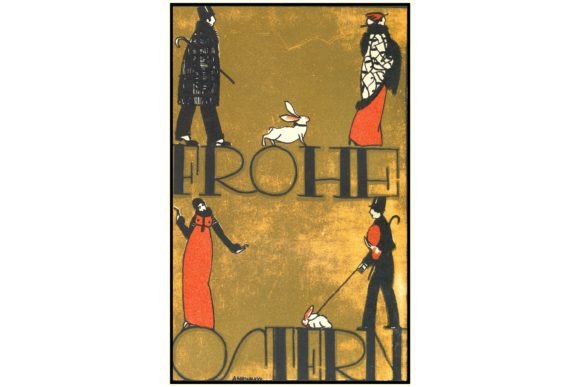
The intersection of historical art and modern digital design offers creators a unique opportunity to infuse projects with authenticity and vintage charm. When searching for the perfect visual asset for springtime campaigns, educational materials, or personal crafts, the phrase Happy Easter Frohe Ostern often serves as both a greeting and a specific search intent for bilingual or German-themed aesthetics. A prime example of this niche is the restored and royalty-free illustration by Arnold Nechansky, originally created for Easter 1912. This specific artwork, depicting two women and two men walking with the words "Frohe Ostern," provides a high-resolution foundation for a multitude of creative applications.
Understanding the value of such assets requires looking beyond the image itself. It involves appreciating the technical specifications, the historical context, and the practical versatility that a 2100 x 3300 pixel JPG at 300 dpi offers to today’s designers, educators, and business owners. This article explores how to effectively leverage this specific piece of restored art while navigating the considerations of using public domain and royalty-free vintage media.
The Historical and Aesthetic Value of Nechansky’s Work
Arnold Nechansky was a notable figure in early 20th-century graphic arts, and his work from the 1910s captures a distinct transitional period in European design. The illustration representing Happy Easter Frohe Ostern is not merely a decorative element; it is a cultural artifact. For creators, using this image communicates more than just a seasonal greeting. It evokes the elegance of the pre-war era, characterized by softer color palettes, intricate line work, and a sense of communal celebration.
The composition features four figures—two women and two men—engaged in a leisurely walk. This narrative quality distinguishes it from generic clip art. The inclusion of the text "Frohe Ostern" integrated directly into the artwork ensures that the typography matches the artistic style perfectly, avoiding the jarring effect of overlaying modern fonts onto antique illustrations. For projects requiring a genuine vintage aesthetic, this cohesion is invaluable. Whether used for a heritage-focused marketing campaign or a scrapbooking page dedicated to family history, the image anchors the design in a specific time and place.
Technical Specifications for Professional Use
One of the most critical aspects of utilizing restored vintage art is ensuring the file quality meets modern standards. Many archival images found online are low-resolution scans suitable only for web viewing. However, this specific Happy Easter Frohe Ostern asset is provided as a JPG file measuring 2100 x 3300 pixels at 300 dpi. These specifications are significant for several practical reasons:
- Print Readiness: At 300 dpi, this resolution supports high-quality printing up to approximately 7 x 11 inches without pixelation. This makes it ideal for standard book covers, flyers, and invitation cards.
- Digital Versatility: For web use, social media, or digital wallpapers, the high pixel count allows for cropping and zooming. Designers can isolate specific elements, such as the couple on the left or the typography, while maintaining clarity.
- Restoration Quality: The term "restored" implies that common age-related defects like foxing, tears, and discoloration have been digitally corrected. This saves creators hours of post-processing time in software like Photoshop.
When evaluating this file for merchandise or clothing, users should understand that while 2100 x 3300 is excellent for many applications, large-format banners or billboards may require vectorization or AI upscaling. However, for the vast majority of consumer and professional projects listed in the asset's description, the native resolution is optimal.
Practical Applications Across Industries
The versatility of the Happy Easter Frohe Ostern illustration lies in its ability to adapt to various contexts. Because it is royalty-free, it removes the friction of licensing negotiations, making it accessible for both personal hobbyists and commercial enterprises.
Merchandise and Fashion
Vintage aesthetics are perennially popular in fashion and home decor. This illustration can be transferred onto tote bags, t-shirts, and ceramic mugs. The vertical aspect ratio (portrait orientation) is particularly well-suited for book covers and journal spines. For fashion designers, the muted, historic color palette pairs well with natural fabrics like linen and cotton, supporting sustainable and slow-fashion branding narratives.
Educational and Cultural Projects
Educators teaching German language, European history, or art history can utilize this image as a primary source visual. It serves as an engaging entry point for discussions about early 20th-century customs, fashion evolution, and holiday traditions. Unlike copyrighted modern imagery, this restored file can be freely included in worksheets, presentation slides, and open-access educational resources without fear of infringement.
Paper Crafts and Scrapbooking
For the scrapbooking community, authenticity is key. Digital papers featuring this Nechansky illustration allow crafters to create cohesive layouts that honor ancestors from the corresponding era. The high resolution ensures that even when printed at home, the details of the clothing and facial expressions remain sharp, adding depth to memory books.
Navigating Royalty-Free and Restored Art
While the benefits are clear, users must approach Happy Easter Frohe Ostern assets with informed expectations. Understanding the distinction between "public domain" and "royalty-free restored" is essential for legal and ethical usage.
The original 1912 work by Arnold Nechansky is likely in the public domain due to its age. However, the specific digital restoration provided here may carry its own usage terms depending on the platform hosting it. Generally, "royalty-free" means you pay once (or download freely) and owe no future royalties, but it does not always mean unrestricted ownership. Users should always verify the specific license attached to the download.
Considerations and Limitations
To maximize the utility of this illustration, consider the following practical guidance:
- Color Management: Vintage restorations sometimes have color profiles optimized for screens (RGB). If printing professionally, convert the file to CMYK and request a proof, as antique yellows and greens can shift during the printing process.
- Cultural Sensitivity: While the image depicts a joyful Easter scene from 1912, users should be mindful of the historical context. The attire and social dynamics reflect the norms of that specific era. In most celebratory contexts, this is appropriate, but it is worth noting for highly sensitive or political projects.
- Uniqueness vs. Saturation: Because this is a known restored asset, other creators may also use it. To maintain uniqueness in commercial products, consider compositing the image with original elements, textures, or custom typography rather than using it in isolation.
- File Format Flexibility: As a JPG, the background is flattened. If you need to remove the background to place the figures on a different colored surface, you will need to use masking tools. The high contrast between the figures and the background typically makes this selection process easier than with faded originals.
Evaluating Suitability for Your Project
Is the Happy Easter Frohe Ostern illustration by Arnold Nechansky the right choice for your current needs? Use this checklist to determine fit:
- Aesthetic Alignment: Does your project benefit from a nostalgic, early 20th-century European look? If you require sleek, minimalist, or futuristic design, this asset may clash.
- Resolution Requirements: Will the final output be smaller than 7x11 inches at 300 dpi? If yes, this file is perfect. If larger, do you have access to upscaling tools?
- Language Relevance: The prominent "Frohe Ostern" text makes this specifically suited for German-speaking audiences, bilingual projects, or heritage celebrations. For general English-only markets, ensure the foreign text adds desired exoticism rather than confusion.
- Budget and Timeline: If you lack the budget for custom illustration or the time to restore raw archival scans yourself, this pre-restored royalty-free option offers immediate value.
Conclusion
The Happy Easter Frohe Ostern illustration by Arnold Nechansky represents more than just a seasonal graphic; it is a bridge between past and present. By offering a restored, high-resolution, and royalty-free version of this 1912 masterpiece, creators are empowered to produce work that feels authentic and culturally rich. From fashion and merchandise to educational resources and personal crafts, the applications are as varied as the users themselves.
Success with this asset lies in understanding its technical parameters and respecting its historical origin. When utilized thoughtfully, it elevates projects beyond the generic, providing a tangible connection to the artistry of over a century ago. Whether you are designing a book cover, planning a history lesson, or creating a unique Easter card, this illustration serves as a reliable and beautiful foundation for celebrating the season with timeless elegance.